

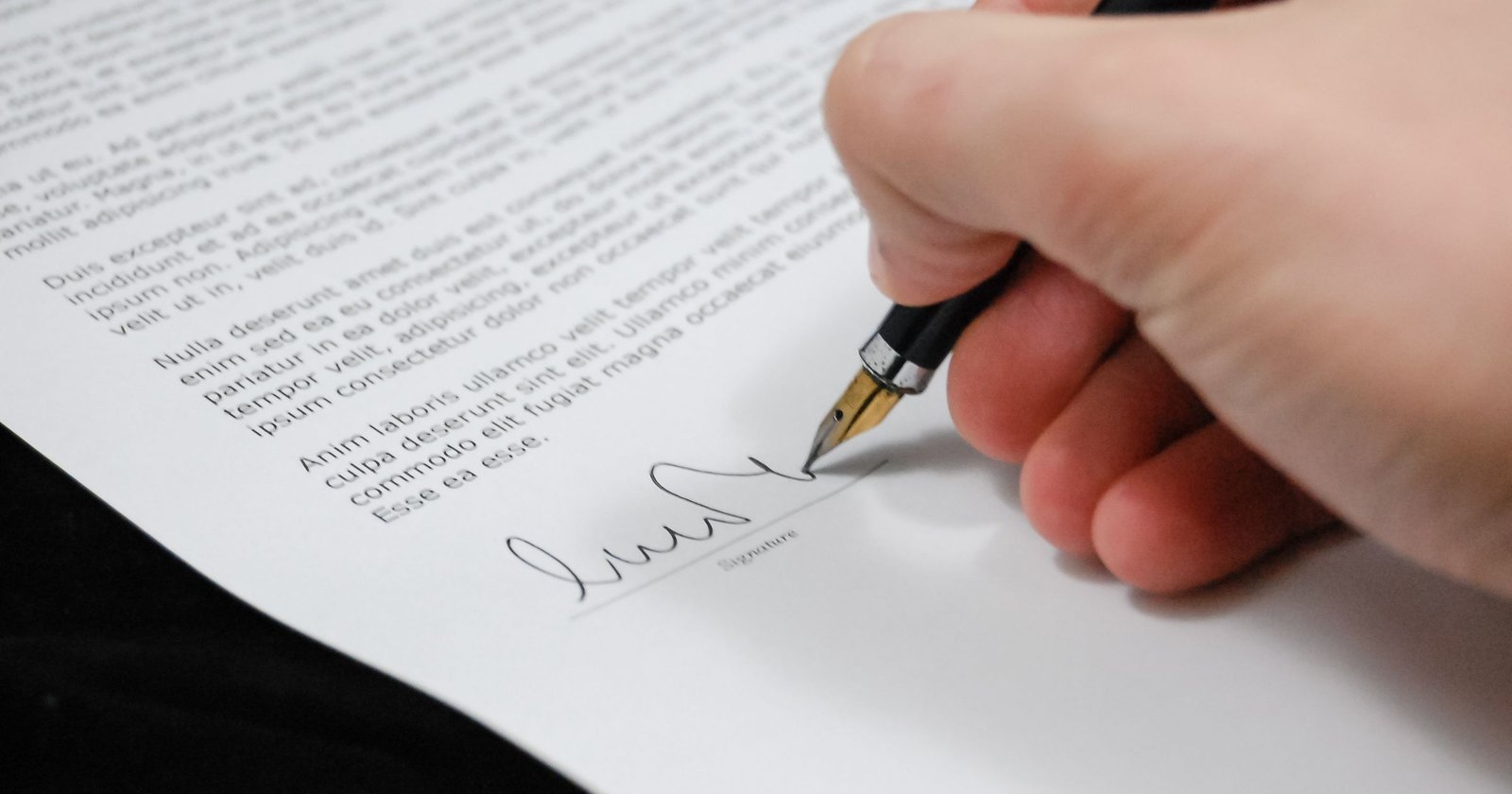
Dying without a plan for your UAE assets is one of the few estate mistakes that cannot be fixed after the fact. For decades, expats in Dubai lived with genuine uncertainty about what would happen to their bank accounts, property and children’s guardianship if they passed away without a will. That uncertainty has eased considerably since UAE law changed the default rules for non-Muslim foreigners, and since the DIFC Wills Service Centre and the Abu Dhabi Judicial Department (ADJD) built dedicated, English-language will registries. But “eased” is not the same as “solved.” Whether you actually get a predictable outcome still depends on whether you registered a will while you were alive.
Published: 31 August 2026
Quick Answer
If a non-Muslim expat dies in the UAE without a registered will, Federal Decree-Law No. 41 of 2022 on Civil Personal Status now applies by default: half of the UAE estate goes to the surviving spouse and the other half is split equally among the children, regardless of gender, unless the deceased had formally opted into their home country’s inheritance law. Bank accounts are typically frozen the moment the bank is notified of the death, and release only follows a court-supervised succession process, which is exactly why registering a will with the DIFC Wills Service Centre or the ADJD non-Muslim wills registry, and naming a guardian for minor children, is worth doing while you are healthy and able to.
Why This Matters More in the UAE Than at Home
Most expats already have a will in their home country. The problem is that a UK, US, Indian or South African will was not written with UAE assets, UAE banks or UAE courts in mind, and UAE courts are not automatically bound to follow it without a formal process. Property, vehicles, local bank balances and business shares registered in the UAE are generally treated as assets physically located here, which means a UAE court, not a foreign one, decides what happens to them first. If your only will is sitting in a drawer overseas, your UAE-based family can face months of delay, frozen accounts and legal costs before anything is released, even when your intentions were completely clear.
This is also closely tied to family status paperwork more broadly. Expats who have gone through a civil marriage in Dubai, for example, often assume their marriage certificate alone settles spousal inheritance rights. It does not. Marriage status affects who counts as an heir under the default rules, but it does not replace the need for a registered will if you want to control how assets are actually divided.
What Actually Happens Without a Registered Will
For Non-Muslim Expats
Since Federal Decree-Law No. 41 of 2022 on Civil Personal Status came into force (effective from 1 February 2023), non-Muslim foreigners residing in the UAE are no longer automatically subject to Sharia-based succession by default. Article 11 of the decree-law sets out two possibilities:
- The deceased opted for their home country’s law. If a non-Muslim formally elected, during their lifetime, to have their home country’s inheritance law apply to their UAE estate, that election is followed.
- No election was made and there is no will. In this case, Article 11(2) sets a default civil split: half of the estate goes to the surviving spouse, and the remaining half is divided equally between the children, with no distinction between sons and daughters.
This default is a real improvement over the old position, but it is still a one-size-fits-all formula. It does not let you leave more to one child than another, provide for a stepchild, name a charity, or make any of the individual choices a will allows. It also does not remove the need to go through a UAE court succession process to actually get the estate distributed, it only changes which rules the court applies.
For Muslim Expats
Muslim residents of the UAE remain governed by Sharia-based succession rules under the personal status framework unless they have registered a civil will. Since 2026, some UAE will registries (including ADJD) have opened civil will registration to non-Emirati Muslim expatriates who wish to opt out of the standard Sharia distribution formula for their UAE assets, but this is not automatic. Without a registered civil will, Sharia inheritance shares apply by default.
Either Way, Someone Has to Prove It
Whether the default civil split or Sharia rules apply, a UAE court still has to formally establish who the heirs are and confirm how the estate should be divided before assets are released. Anyone relying only on the statutory default, rather than a registered will naming specific beneficiaries, is choosing to let a court process, rather than their own written instructions, determine the outcome and the timeline.
Bank Accounts and Property Without a Will
This is the part that catches families off guard fastest. Once a UAE bank is notified of an account holder’s death, whether by a family member, another bank, or a government registry, it is required to freeze the account. Joint account holders are generally expected to inform the bank within days of the death. The frozen funds are not released to anyone, including a surviving spouse, until a UAE court issues a succession order (or, where relevant, recognises a registered will) confirming who is entitled to what.
Property works similarly: real estate registered in a deceased person’s name cannot simply be transferred or sold by the family. The Dubai Land Department and other emirate-level registries require a court order or a certificate from a probate process (drawing on a registered will, where one exists) before any transfer proceeds. For expats who bought property under investor or golden visa property investment routes, or through a Dubai property investor visa, this can directly affect a surviving spouse’s ability to keep the property, refinance it, or even continue meeting the visa’s asset requirements while the estate is unresolved.
A registered will does not eliminate this process entirely, UAE courts are still involved, but it gives the court clear, pre-established instructions to work from instead of defaulting to the statutory split or requiring the family to prove foreign law applies from scratch.
DIFC Wills Service Centre: How It Works
The DIFC Wills Service Centre (WSC) is the best-known non-Muslim will registry in the UAE. It was originally built to cover Dubai assets, and DIFC rules expanded in 2019 to allow registration of assets located anywhere in the UAE’s seven emirates, and in some cases worldwide assets, subject to legal advice. Registration is open to non-Muslim adults, whether they are UAE residents or not, who hold UAE assets or want to appoint a guardian for minor children.
The DIFC Wills Service registers wills and maintains the official registry, it does not draft the will for you or give legal advice on how to divide your estate, so most people work with a solicitor or will-writing service to prepare the document before booking a DIFC appointment. Non-resident testators can complete the process remotely by video call, which is useful for expats who have already relocated but still hold UAE assets.
Fees vary between sources and by will type. Recent figures reported by UAE legal and wealth advisory firms describe a Full Estate Will (covering all asset categories and guardianship) at roughly USD 1,400 in DIFC registration fees, with single-category wills (property-only, business-only, financial assets-only, or guardianship-only) priced lower per will, plus an optional annual update service. Other sources quote figures in AED that differ from this, and legal drafting fees charged by a solicitor are always separate from the government registration fee itself. Because published figures are inconsistent across providers and change periodically, confirm the current fee schedule directly with the DIFC Wills Service Centre before booking an appointment.
ADJD Non-Muslim Wills Registry: The Abu Dhabi Route
For expats whose assets are mainly in Abu Dhabi, the Abu Dhabi Judicial Department (ADJD) operates its own non-Muslim wills registration service. It has been fully digital since the process moved online, and covers assets across all seven emirates, not just Abu Dhabi.
The ADJD process generally runs as follows: you submit the application online, an ADJD officer reviews it and notifies you of approval or requested changes, you pay the registration fee, and you then attend a video call appointment with a notary to verify your identity and formally notarise the will. Once approved, you receive a digitally certified will bearing a verification QR code, which now serves as the legally recognised original, rather than a physical document being couriered to you.
One practical difference from DIFC: ADJD wills are ultimately recorded in Arabic before the local courts, so bilingual Arabic-English documentation and certified translation are typically required, and handwritten original signatures on every page are expected. Reported government fees for an ADJD non-Muslim will are AED 950 for a single will and AED 1,900 for a mirror will covering a couple, though this covers registration only and does not include separate translation or legal drafting costs.
DIFC vs. ADJD: Quick Comparison
| Feature | DIFC Wills Service Centre | ADJD Non-Muslim Wills Registry |
|---|---|---|
| Best suited for | Assets primarily in Dubai, or spread across multiple emirates | Assets primarily in Abu Dhabi, or spread across multiple emirates |
| Language of record | English | Arabic and English (bilingual, certified translation typically required) |
| Governing framework | English common law principles, applied by DIFC Courts | UAE civil law framework, administered by ADJD |
| Remote registration | Yes, video call available for non-residents | Yes, fully digital since online transition, with video notarisation |
| Guardianship nomination | Available (dedicated Guardianship Will option) | Available, including temporary and permanent guardians |
| Reported government fee | Varies by source; roughly USD 1,400 for a Full Estate Will (confirm current fee with DIFC) | AED 950 single / AED 1,900 mirror will (confirm current fee with ADJD) |
| Amendments | Requires re-registration of updated will | No codicils; amendment requires revoking and re-attesting in full |
Figures above are drawn from current legal and advisory sources and may change. Always confirm the live fee schedule directly with the DIFC Wills Service Centre or ADJD before booking.
Documents Typically Needed to Register a Will
Exact requirements vary slightly by registry and by individual circumstances, but most non-Muslim will registrations in the UAE ask for a version of the following.
| Document | Why it’s needed |
|---|---|
| Valid passport (original and copy) | Confirms identity and nationality for the registry |
| Emirates ID (if a resident) | Confirms UAE residency status |
| Property title deeds or asset ownership documents | Identifies the specific UAE assets the will covers |
| Marriage certificate (attested, if relevant to the estate plan) | Establishes spousal status for the will and any home-country cross-references |
| Children’s birth certificates (attested, if naming guardians or child beneficiaries) | Confirms parentage for guardianship nominations |
| Details of named executor(s) and guardian(s) | Required for the registry to record who administers the estate and cares for minors |
| Draft will document from a solicitor or will-writing service | The registry certifies and records the will, it does not draft it |
Any foreign-issued certificate used in a UAE legal process, including marriage or birth certificates supporting a will registration, generally needs to go through proper attestation first. If you have not attested these documents yet, it is worth reviewing how certificate attestation for the UAE works in 2026 before your registry appointment, since an unattested certificate can delay the process.
Guardianship Nomination for Minor Children
For expat parents, the guardianship provisions in a will are often more urgent than the asset provisions. Without a registered nomination, a UAE court decides who cares for minor children if both parents die, and the outcome may not reflect either parent’s wishes, particularly where extended family live in different countries.
Both the DIFC Wills Service Centre and the ADJD registry allow parents to nominate a legal guardian for minor children as part of the will, and DIFC specifically offers a standalone Guardianship Will for parents who want to secure this provision without necessarily registering a full estate will at the same time. Guardianship nominations typically require naming both a primary guardian and, ideally, a backup guardian, along with their consent to take on the role.
Step-by-Step: How to Register a Will in the UAE
- Decide which registry fits your assets. If most of your UAE assets sit in Dubai or you want the widest name-recognition among UAE banks and lawyers, DIFC is the common default. If your assets are concentrated in Abu Dhabi, ADJD is usually the more direct route.
- Gather your documents. Passport, Emirates ID, property or asset documentation, and attested marriage or birth certificates where relevant (see the checklist above).
- Instruct a solicitor or will-writing service to draft the will. Neither DIFC nor ADJD drafts the will for you, they register and certify a document you bring to them.
- Decide on executors and guardians. Confirm who you are naming to administer the estate and, if you have minor children, who will act as guardian, and get their agreement in advance.
- Book your registration appointment. Both registries support remote appointments by video call for non-residents or those who cannot attend in person.
- Pay the applicable registration fee. Confirm the current fee directly with the registry, since published figures vary by source and by will type.
- Attend the identity verification and notarisation appointment. This is where the registry confirms your identity and formally certifies the will.
- Store your registration certificate and will reference number securely. Share the location of this document with your executor or a trusted family member, since it will be needed to activate the will after death.
- Review and update the will after major life events. Marriage, divorce, a new child, or acquiring new UAE property are all reasons to revisit and, if needed, re-register an updated will.
If you are also going through, or have recently completed, a civil marriage in Dubai, registering or updating your will at the same time is worth doing, since your marital status directly affects both the statutory default split and how a will should name your spouse as a beneficiary.
How This Connects to Visas and Long-Term Residency Planning
Estate planning increasingly overlaps with UAE residency planning. Expats who hold a golden visa through property investment, have used golden visa nomination routes, or are planning around the UAE retirement visa often hold significant property or financial assets in the UAE precisely because those assets support their visa eligibility. If those assets are frozen pending a succession process after a death, it can create complications not just for inheritance but for a surviving spouse’s own visa status and ability to remain in the country. As the UAE continues to expand golden visa eligibility through new 2026 categories, more long-term resident families have real UAE-based wealth that a will should account for directly, rather than assuming a foreign will or a generic default split will handle it cleanly.
If part of your estate includes shares in a UAE Free Zone company, it is also worth understanding how that company’s own tax position works. Our partner site Qaspro Global has a detailed guide on UAE Free Zone Excluded Activities and what disqualifies a company from 0% Corporate Tax, useful background if you or your heirs will need to manage that business interest after a succession process.
If the property is mortgaged, it’s also worth understanding what happens to a mortgaged property in the UAE when the owner dies, including how the bank handles the loan during inheritance.
For property owners specifically, it’s worth also reading this guide on inheritance and estate planning for property owners in Dubai, which covers wills and Sharia rules from a real estate angle.
Get Help With the Paperwork Side
Registering a will with DIFC or ADJD is a legal process, but it depends heavily on having the right supporting documents ready and properly attested before your appointment, particularly marriage and birth certificates issued outside the UAE. Yalah Dubai helps expat families in Dubai get their document clearing and attestation in order ahead of a will registration appointment, so nothing gets delayed at the registry stage. If you are preparing to register a will and need your documents attested and ready, message Yalah Dubai on WhatsApp at +971 52 580 2100 and we will walk you through what is needed.
Related Reading
- Civil Marriage in Dubai for Expats 2026
- Certificate Attestation UAE 2026: MOFAIC and Embassy Process
- Golden Visa Property Investment UAE 2026
FAQs
What happens if an expat dies in Dubai without a will?
If the deceased was non-Muslim, Federal Decree-Law No. 41 of 2022 on Civil Personal Status applies by default: half the UAE estate goes to the surviving spouse and the other half is divided equally among the children, unless the deceased had opted into their home country’s law during their lifetime. A UAE court still has to formally confirm the heirs and issue a succession order before any assets, including bank accounts and property, are released. If the deceased was Muslim and had not registered a civil will, Sharia-based succession rules apply instead.
Is a will from my home country valid in the UAE?
A foreign will is not automatically applied to UAE-based assets. UAE courts generally treat property, bank accounts and other assets physically located in the UAE as falling under UAE succession procedures first, even if you have a valid will at home. Registering a UAE will through DIFC or ADJD, or formally electing for your home country’s law to apply under Article 11 of Federal Decree-Law No. 41 of 2022, gives the UAE court clear instructions to work from instead of requiring your family to prove foreign law should apply.
Do I need a will if I already have a joint bank account with my spouse?
Yes. Joint account status does not prevent a freeze. Once a UAE bank is notified of an account holder’s death, the account is generally frozen pending a court-recognised succession process, even for joint holders. A registered will speeds up how quickly the surviving spouse can demonstrate entitlement to the funds, but it does not eliminate the need for a formal process entirely.
What is the difference between a DIFC will and an ADJD will?
Both are non-Muslim will registries that cover assets across all seven emirates, but DIFC operates under English common law principles through the DIFC Courts and records wills in English, while ADJD operates under the UAE civil law framework and records wills bilingually in Arabic and English. DIFC is generally the more common choice for Dubai-based assets, while ADJD tends to suit expats whose primary assets are in Abu Dhabi, though either can register UAE-wide assets.
Can Muslim expats register a will in the UAE to opt out of Sharia inheritance rules?
Some UAE will registries, including ADJD, have opened civil will registration to non-Emirati Muslim expatriates who wish to opt out of the standard Sharia distribution formula for their UAE assets, but this is not automatic and is not available to UAE or GCC nationals. Muslim expats considering this route should get individual legal advice, since eligibility rules and requirements are more specific than for non-Muslim will registration.
How much does it cost to register a will with DIFC?
Reported DIFC registration fees vary by source and by will type, with figures for a Full Estate Will cited at around USD 1,400 in some recent advisory sources, and lower fees for single-category wills such as a property-only or guardianship-only will. Because figures differ between providers and can change, confirm the current fee schedule directly with the DIFC Wills Service Centre before booking your appointment.
How much does an ADJD will cost?
Reported government registration fees for an ADJD non-Muslim will are AED 950 for a single will and AED 1,900 for a mirror will covering a couple, covering registration only. Separate costs may apply for legal drafting and certified Arabic translation. Confirm current fees directly with ADJD before booking, since published figures can change.
Can I register a UAE will remotely if I don’t live in the UAE anymore?
Yes. Both DIFC and ADJD support remote registration for non-resident testators, typically through a video call appointment for identity verification and notarisation, provided you still hold qualifying UAE assets or need to nominate a guardian for children connected to the UAE.
What documents do I need to register a will in the UAE?
Most registries ask for a valid passport, Emirates ID if you are a resident, documentation for the UAE assets the will covers (such as property title deeds), and attested marriage or birth certificates where relevant to beneficiaries or guardianship nominations. You will also need a drafted will document, since the registries certify and record wills rather than drafting them.
Can I nominate a guardian for my children without registering a full will?
Yes, through DIFC’s standalone Guardianship Will option, which lets parents register a guardianship nomination without necessarily registering a full estate will at the same time. ADJD also allows guardianship provisions, including both temporary and permanent guardians, as part of its will registration process.
What happens to UAE property if there is no registered will?
UAE property registries, such as the Dubai Land Department, will not transfer or release property registered in a deceased person’s name without a court order or a probate certificate confirming the rightful heirs. Without a registered will, this process relies on the statutory default succession rules (or Sharia rules for Muslims without a civil will) rather than the deceased’s own written instructions, which can extend the time before a surviving spouse or children can access or sell the property.
Related Guides
- UAE Degree Certificate Equivalency 2026: Ministry of Education Attestation Process, Documents and Fees
- Death of a Family Member in the UAE 2026: Repatriation, Paperwork, and What Expats Need to Do
- UAE Power of Attorney 2026: Types, Notarization Process and Fees
- Newborn Baby Documents in Dubai 2026: Birth Certificate, Passport and Residence Visa Steps for Expat Parents